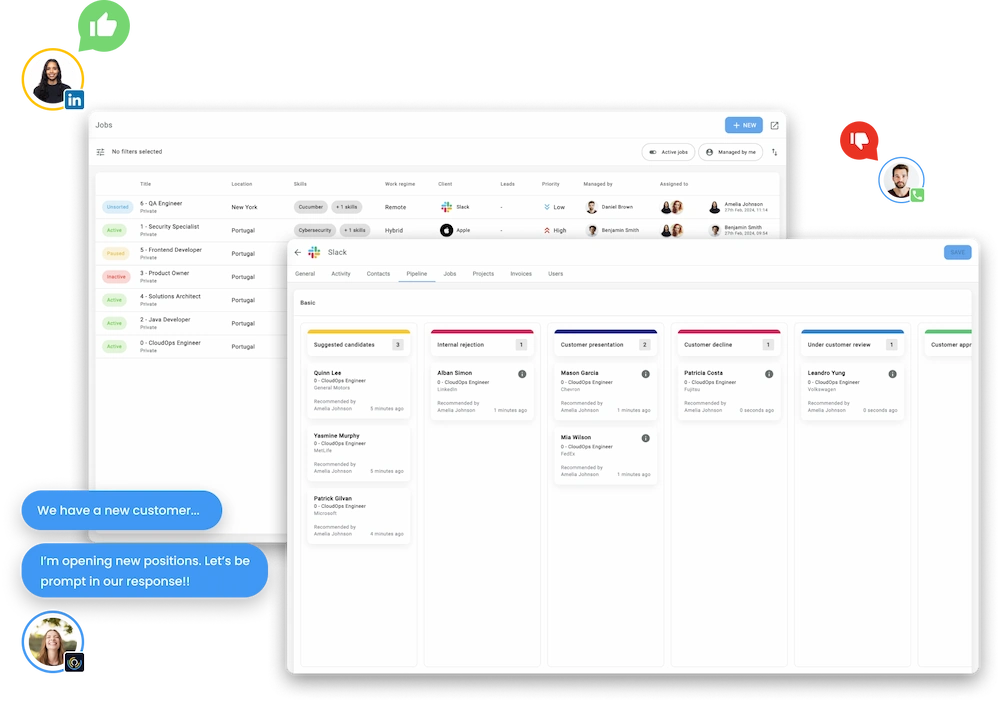
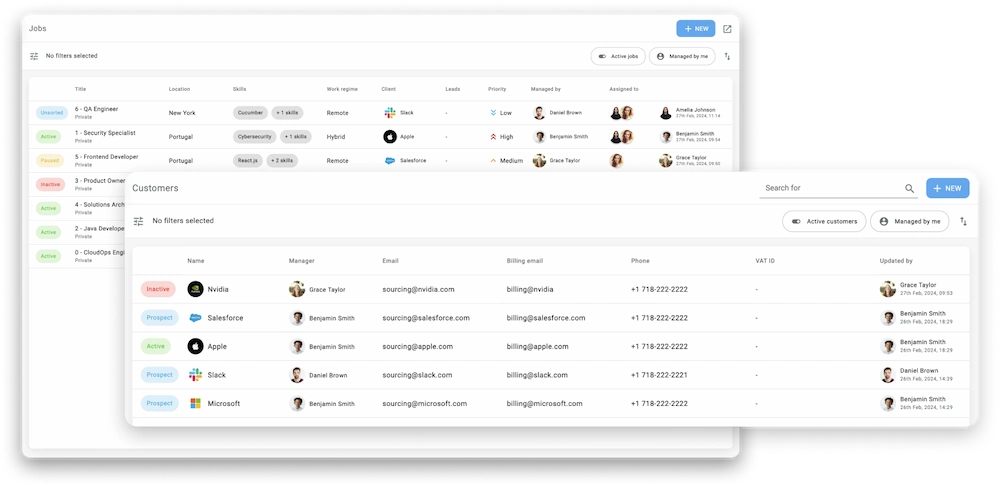
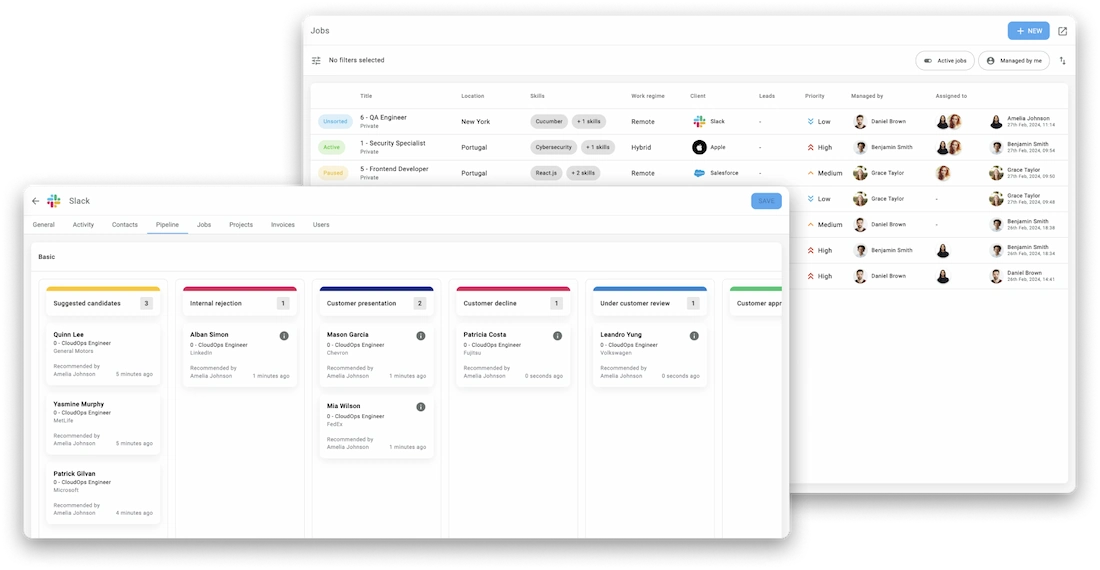
Candidate expectations have changed dramatically. Today’s professionals expect fast communication, transparent processes, and a smooth application journey. If companies fail to deliver, top talent often drops out before the interview stage. That is why an Applicant Tracking System has become essential for businesses that want to attract and retain the best candidates.The hiring funnel is no longer just about filling vacancies. It is about building trust at every interaction. A modern Applicant Tracking System helps organizations create a structured, efficient, and candidate-friendly process from the first website visit to onboarding. First impressions start before the application Most candidates meet your brand before they ever speak to a recruiter. They visit your careers page, read job descriptions, and assess how easy it is to apply. Complicated forms, outdated job ads, or unclear next steps create friction immediately.An Applicant Tracking System simplifies this stage by centralizing job postings, standardizing descriptions, and enabling mobile-friendly applications. This creates a faster and more professional first impression.Businesses also improving digital transformation strategies often combine recruitment technology with IT consulting services to optimize hiring workflows and career site performance. Speed matters during application review Long waiting periods are one of the biggest reasons candidates lose interest. Skilled professionals, especially in competitive sectors, usually apply to multiple companies at once. Slow response times often mean losing talent to faster competitors.With an Applicant Tracking System, recruiters can automate screening, organize applications, and prioritize top matches quickly. Notifications, interview scheduling, and progress tracking reduce delays and improve communication.Companies hiring technical talent can also benefit from AI recruitment tools that integrate with an Applicant Tracking System, helping identify qualified candidates faster while reducing manual workload. Communication shapes trust Many candidates say the most frustrating part of hiring is silence. Even a strong employer brand can be damaged when applicants receive no updates.A reliable Applicant Tracking System allows automated but personalized communication throughout the funnel. Confirmation emails, status updates, interview reminders, and rejection messages help candidates feel respected.This level of consistency is especially valuable for growing businesses scaling through IT outsourcing, where multiple roles may be open across different teams and geographies. Interviews must feel organized The interview phase is where candidate experience becomes personal. Missed calendar invites, repeated questions, or unprepared interviewers create negative impressions quickly.Using an Applicant Tracking System, hiring teams can share candidate notes, interview scorecards, and scheduling details in one place. This creates a coordinated experience for both recruiters and managers.Well-structured interviews also improve fairness, reduce bias, and support better hiring decisions. Offers and onboarding are part of the funnel Candidate experience does not end with the offer letter. Delays in approvals, unclear documentation, or weak onboarding can still cause offer dropouts.An Applicant Tracking System helps manage approvals, document workflows, and handoffs between HR and hiring managers. This ensures a smoother transition from candidate to employee.For companies growing internationally, pairing hiring technology with expert delivery models can be a strong advantage. Explore how Fullsight supports digital growth through talent solutions and technology services on the Fullsight website. Why candidate experience impacts business results A strong hiring journey leads to more accepted offers, lower drop-off rates, faster hiring, and stronger employer reputation. Candidates talk about their experiences online and offline. Every interaction can influence future applicants.An Applicant Tracking System gives companies the structure needed to compete in today’s talent market. It transforms hiring from a fragmented process into a measurable growth engine.You may also want to explore related insights on recruitment efficiency, workforce scaling, and technology hiring trends through other resources available on Fullsight. Choose an Applicant Tracking System that supports growth Candidate experience is now a competitive advantage. Companies that communicate clearly, move quickly, and create smooth hiring journeys win better talent. A modern Applicant Tracking System makes that possible at every step of the funnel.If your business wants smarter hiring, better engagement, and scalable recruitment processes, Fullsight can help. Visit Fullsight today and discover how the right Applicant Tracking System can transform your hiring results.