Accountants enable
financial clarity

Fullsight empowers accountants to enable financial operations and ensure compliance with ease.

Try it free
Fullsight's accounting features preview
Showcase of a set of Fullsight's accounting features

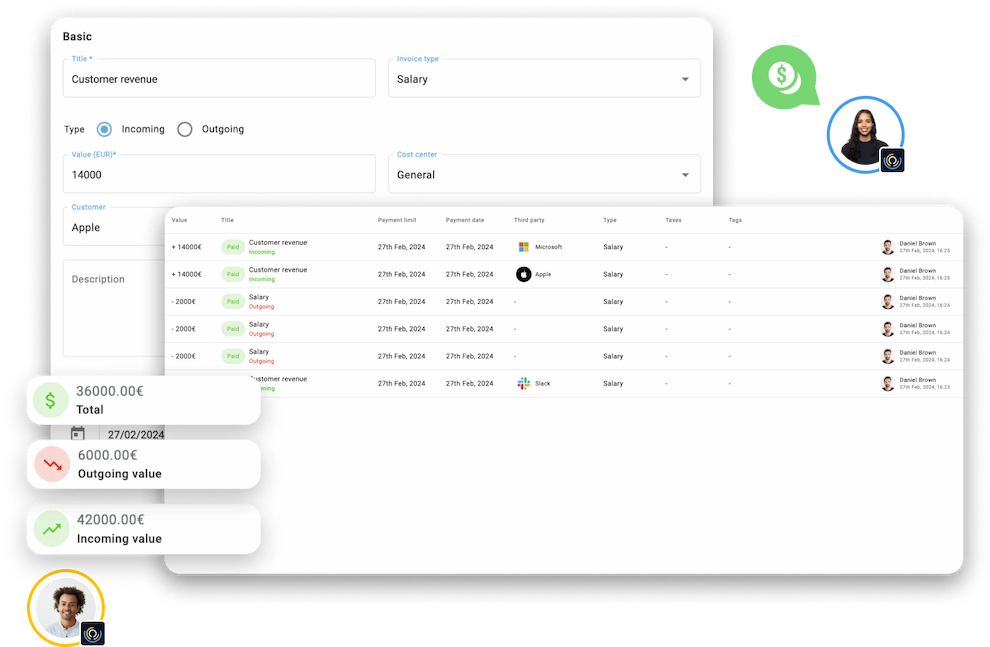
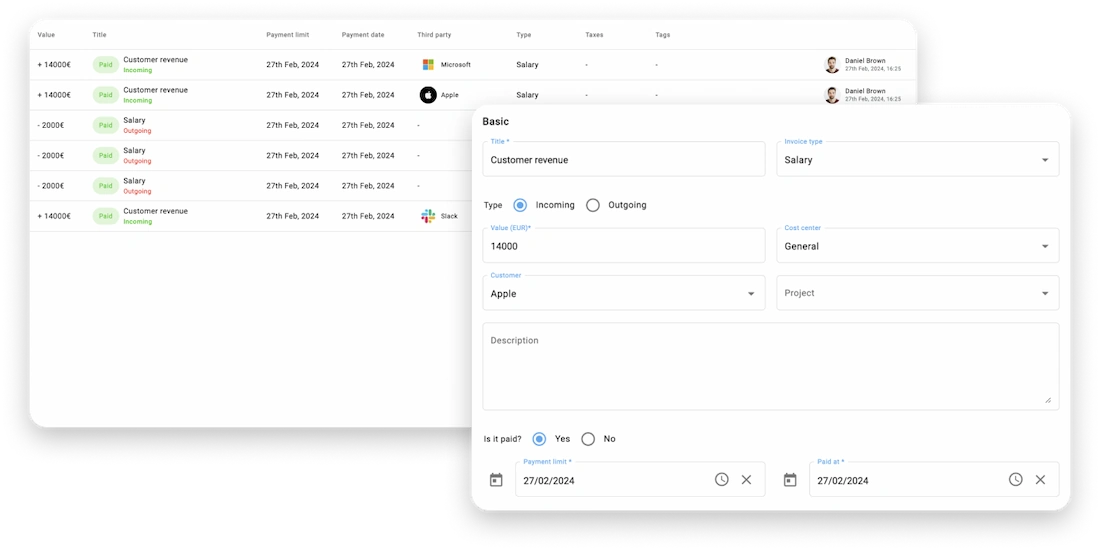
Simplify invoice management
with Fullsight

Fullsight enhances invoice management, offering intuitive tools for efficient invoice creation and tracking.

  • Create and manage invoices within Fullsight
  • Track and follow up on costs and revenue with ease
  • Have a simplified invoicing process
Why candidate experience matters more than ever: every step of the hiring funnel with an Applicant Tracking System

Community

Why candidate experience matters more than ever: every step of the hiring funnel with an Applicant Tracking System

Candidate expectations have changed dramatically. Today’s professionals expect fast communication, transparent processes, and a smooth application journey. If companies fail to deliver, top talent often drops out before the interview stage. That is why an Applicant Tracking System has become essential for businesses that want to attract and retain the best candidates.The hiring funnel is no longer just about filling vacancies. It is about building trust at every interaction. A modern Applicant Tracking System helps organizations create a structured, efficient, and candidate-friendly process from the first website visit to onboarding. First impressions start before the application Most candidates meet your brand before they ever speak to a recruiter. They visit your careers page, read job descriptions, and assess how easy it is to apply. Complicated forms, outdated job ads, or unclear next steps create friction immediately.An Applicant Tracking System simplifies this stage by centralizing job postings, standardizing descriptions, and enabling mobile-friendly applications. This creates a faster and more professional first impression.Businesses also improving digital transformation strategies often combine recruitment technology with IT consulting services to optimize hiring workflows and career site performance. Speed matters during application review Long waiting periods are one of the biggest reasons candidates lose interest. Skilled professionals, especially in competitive sectors, usually apply to multiple companies at once. Slow response times often mean losing talent to faster competitors.With an Applicant Tracking System, recruiters can automate screening, organize applications, and prioritize top matches quickly. Notifications, interview scheduling, and progress tracking reduce delays and improve communication.Companies hiring technical talent can also benefit from AI recruitment tools that integrate with an Applicant Tracking System, helping identify qualified candidates faster while reducing manual workload. Communication shapes trust Many candidates say the most frustrating part of hiring is silence. Even a strong employer brand can be damaged when applicants receive no updates.A reliable Applicant Tracking System allows automated but personalized communication throughout the funnel. Confirmation emails, status updates, interview reminders, and rejection messages help candidates feel respected.This level of consistency is especially valuable for growing businesses scaling through IT outsourcing, where multiple roles may be open across different teams and geographies. Interviews must feel organized The interview phase is where candidate experience becomes personal. Missed calendar invites, repeated questions, or unprepared interviewers create negative impressions quickly.Using an Applicant Tracking System, hiring teams can share candidate notes, interview scorecards, and scheduling details in one place. This creates a coordinated experience for both recruiters and managers.Well-structured interviews also improve fairness, reduce bias, and support better hiring decisions. Offers and onboarding are part of the funnel Candidate experience does not end with the offer letter. Delays in approvals, unclear documentation, or weak onboarding can still cause offer dropouts.An Applicant Tracking System helps manage approvals, document workflows, and handoffs between HR and hiring managers. This ensures a smoother transition from candidate to employee.For companies growing internationally, pairing hiring technology with expert delivery models can be a strong advantage. Explore how Fullsight supports digital growth through talent solutions and technology services on the Fullsight website. Why candidate experience impacts business results A strong hiring journey leads to more accepted offers, lower drop-off rates, faster hiring, and stronger employer reputation. Candidates talk about their experiences online and offline. Every interaction can influence future applicants.An Applicant Tracking System gives companies the structure needed to compete in today’s talent market. It transforms hiring from a fragmented process into a measurable growth engine.You may also want to explore related insights on recruitment efficiency, workforce scaling, and technology hiring trends through other resources available on Fullsight. Choose an Applicant Tracking System that supports growth Candidate experience is now a competitive advantage. Companies that communicate clearly, move quickly, and create smooth hiring journeys win better talent. A modern Applicant Tracking System makes that possible at every step of the funnel.If your business wants smarter hiring, better engagement, and scalable recruitment processes, Fullsight can help. Visit Fullsight today and discover how the right Applicant Tracking System can transform your hiring results.

Read more
Diversity hiring and bias: can applicant tracking system help or hurt what you need to know

Community

Diversity hiring and bias: can applicant tracking system help or hurt what you need to know

Diversity hiring has become a strategic priority for modern organizations. Yet many companies rely on an Applicant Tracking System to screen candidates at scale without fully understanding how it impacts bias. Can an Applicant Tracking System promote fair hiring, or can it unintentionally reinforce discrimination? The answer depends on how it is designed, configured, and monitored.With the rise of AI recruitment tools and global IT outsourcing models, technology now plays a decisive role in shaping workforce diversity. Understanding how your Applicant Tracking System works is essential if you want to build inclusive hiring processes instead of automated barriers.How an applicant tracking system influences diversity hiringAn Applicant Tracking System automates resume screening, ranking, and communication. On the surface, automation appears neutral. However, algorithms are built on historical data. If past hiring decisions were biased, the Applicant Tracking System may replicate those patterns.For example, if previous hires mostly came from specific universities or regions, AI recruitment models trained on that data may favor similar profiles. This creates a feedback loop where diversity efforts are unintentionally undermined.well-configuredOn the positive side, a well-configured Applicant Tracking System can reduce human bias by:Standardizing candidate evaluation criteriaEnabling blind screening by hiding names or photosTracking diversity metrics across stagesEnsuring structured interview workflowsThe technology itself is not inherently biased. The real issue lies in governance, configuration, and ongoing oversight.When AI recruitment amplifies biasAI recruitment tools embedded in an Applicant Tracking System analyze keywords, career trajectories, and even behavioral patterns. If not carefully audited, these systems may filter out candidates from non traditional backgrounds, career switchers, or underrepresented groups.This is particularly relevant in sectors such as IT consulting and IT outsourcing, where demand for niche skills is high and hiring speed is critical. Companies may over optimize for specific keywords and unintentionally exclude diverse talent with transferable skills.Bias can also appear in:Automated ranking systems that prioritize continuous career pathsLanguage analysis models that penalize non native speakersData sets that lack representation across gender, ethnicity, or geographyWithout transparency, organizations may not even realize their Applicant Tracking System is shaping outcomes in problematic ways.How to make your applicant tracking system diversity positiveTo ensure your Applicant Tracking System supports diversity goals, companies should implement clear controls:Audit historical hiring data before training AI models.Regularly test outcomes for adverse impact across demographics.Use blind screening features wherever possible.Avoid over reliance on keyword matching.Combine automation with structured human review.Collaboration between HR leaders and IT consulting experts is critical. Technical teams can assess algorithm logic, while HR ensures compliance with diversity objectives.If you are exploring digital transformation in recruitment, you may find insights in our guide to modern hiring technology on Fullsight’s blog. It explains how to balance efficiency and fairness when implementing automation tools.The strategic view for global talent modelsIn global IT outsourcing environments, hiring often spans multiple regions and regulatory frameworks. A centralized Applicant Tracking System can help maintain consistency across locations. However, cultural bias and localized screening practices must still be addressed.Organizations that treat their Applicant Tracking System as a strategic asset rather than a simple database gain better control over diversity outcomes. Metrics, transparency, and accountability must be built into the system from day one.Technology should expand opportunity, not narrow it.An Applicant Tracking System can either strengthen diversity hiring or silently reinforce bias. The difference lies in data quality, configuration, monitoring, and ethical oversight. AI recruitment offers efficiency and scalability, but it must be implemented responsibly.If your organization relies on an Applicant Tracking System, now is the time to evaluate whether it aligns with your diversity objectives. Are you auditing algorithms? Measuring outcomes? Integrating expertise from IT consulting professionals?At Fullsight, we help companies design smarter recruitment ecosystems that combine AI recruitment, governance, and scalable IT outsourcing strategies. Explore our latest insights and discover how to transform your hiring process into a competitive advantage.data-drivenReady to optimize your Applicant Tracking System for both performance and fairness? Visit Fullsight and start building a more inclusive, data-driven recruitment strategy today.

Read more
Common pitfalls when implementing an Applicant tracking system and how to avoid them

Community

Common pitfalls when implementing an Applicant tracking system and how to avoid them

An Applicant tracking system can transform how companies attract, evaluate, and hire talent. Yet many organizations underestimate the complexity of implementing an Applicant tracking system, leading to low adoption, poor data quality, and missed hiring opportunities. When aligned with business goals and supported by the right strategy, an Applicant tracking system becomes a powerful engine for AI recruitment and scalable growth.Below are the most common pitfalls companies face when implementing an Applicant tracking system and how to avoid them.1. Choosing an Applicant tracking system without a clear strategyOne of the biggest mistakes is selecting an Applicant tracking system based only on features or price. Without mapping recruitment workflows, defining KPIs, and identifying integration needs, the system quickly becomes a fragmented tool rather than a strategic asset.How to avoid it:Audit your current hiring processDefine measurable objectives such as time to hire and quality of hireInvolve HR, IT, and leadership in the decision processCompanies that combine IT consulting expertise with recruitment strategy design achieve higher long term ROI. If you are exploring digital transformation in hiring, reviewing insights from Fullsight’s technology strategy content can help align business and tech goals.2. Ignoring integration with existing systemsAn Applicant tracking system should not operate in isolation. Payroll platforms, HRIS systems, CRM tools, and analytics dashboards must communicate seamlessly. Poor integration results in manual work, duplicated data, and reporting inconsistencies.How to avoid it:Assess API compatibility before selecting your Applicant tracking systemPlan integrations early in the implementation phaseCollaborate with experienced IT outsourcing partners if internal resources are limitedProper system integration ensures that your Applicant tracking system becomes part of a unified talent ecosystem rather than another disconnected platform.3. Underestimating change management and trainingTechnology adoption is not just technical. It is cultural. Many companies deploy an Applicant tracking system but fail to train recruiters and hiring managers properly. This leads to inconsistent usage and resistance.How to avoid it:Provide hands on training sessionsCreate clear documentation and workflow guidesAppoint internal champions to drive adoptionWhen organizations combine AI recruitment capabilities with structured onboarding programs, adoption rates increase significantly.4. Overlooking data quality and complianceAn Applicant tracking system centralizes sensitive candidate data. Poor configuration can create compliance risks and unreliable analytics. Inconsistent tagging, missing fields, and unclear permissions undermine reporting accuracy.How to avoid it:Define data governance policies from the startStandardize candidate evaluation criteriaRegularly audit data accuracyA well configured Applicant tracking system not only supports compliance but also enhances strategic decision making through accurate insights.5. Failing to optimize candidate experienceAutomation should improve the candidate journey, not complicate it. Complex forms, slow communication, and lack of personalization can damage employer branding.How to avoid it:Simplify application stepsAutomate timely status updatesUse AI recruitment tools to personalize communicationAn effective Applicant tracking system balances automation with human interaction, ensuring efficiency without sacrificing engagement.6. Treating implementation as a one time projectAn Applicant tracking system is not a static tool. Recruitment trends evolve, especially with the rise of AI recruitment technologies and global hiring models supported by IT outsourcing.How to avoid it:Review performance metrics quarterlyUpdate workflows as business needs changeContinuously test new features and optimizationsOngoing improvement ensures your Applicant tracking system remains aligned with your hiring strategy and organizational growth.Implementing an Applicant tracking system successfully requires more than software selection. It demands strategic planning, technical integration, change management, and continuous optimization. When combined with IT consulting expertise and modern AI recruitment strategies, your Applicant tracking system becomes a scalable foundation for sustainable talent acquisition.At Fullsight, we help companies design and implement technology solutions that drive measurable results. Whether you need support with IT outsourcing, recruitment automation, or digital transformation strategy, our experts can guide you through every stage of implementation.Ready to optimize your Applicant tracking system and avoid costly mistakes? Explore more insights on Fullsight.io and contact our team to build a smarter hiring infrastructure today.

Read more
Applicant tracking system in hybrid work: how hiring evolved

Community

Applicant tracking system in hybrid work: how hiring evolved

Hybrid work is no longer a trend. It is the new operating model for companies that want to attract the best global talent. As organizations expand across borders and teams become increasingly distributed, recruitment processes must evolve to keep up with this new reality.This is where the applicant tracking system plays a central role. Modern hiring requires speed, transparency, and coordination across different locations and time zones. An effective applicant tracking system allows companies to manage applications, track candidates, and collaborate with hiring teams without the limitations of traditional recruitment processes.For companies operating with hybrid or remote teams, the applicant tracking system has become the foundation of an efficient recruitment strategy.The shift from traditional hiring to distributed recruitmentRecruitment used to be a localized activity. HR teams focused mainly on candidates within commuting distance of the office. Today, hybrid work has removed many of those geographic limitations.Companies now compete for talent globally. This change has made AI recruitment tools and automation critical for managing the growing number of applicants.A modern applicant tracking system helps organizations centralize candidate data, streamline interview scheduling, and ensure that every step of the hiring process remains organized. It also improves collaboration between HR teams, hiring managers, and external partners such as IT consulting firms that support specialized recruitment.Without a robust applicant tracking system, distributed hiring quickly becomes chaotic and inefficient.How AI recruitment supports hybrid hiringHybrid teams often operate across multiple regions and departments. Managing this complexity manually is no longer realistic.This is why many organizations now rely on AI recruitment features integrated into their applicant tracking system. Artificial intelligence can help automate resume screening, identify the most relevant candidates, and reduce bias in the hiring process.With AI-powered insights, recruiters can focus more on strategic decision-making and candidate engagement instead of administrative tasks.Companies that work with IT outsourcing partners also benefit from this technology. When external teams collaborate in the hiring process, the applicant tracking system becomes the shared workspace where everyone can access candidate information, track progress, and make faster decisions.Collaboration and visibility in distributed teamsOne of the biggest challenges of hybrid work is maintaining visibility across recruitment activities. When teams are spread across different offices or countries, communication gaps can easily appear.A well-designed applicant tracking system solves this problem by centralizing hiring data and workflows. Recruiters, hiring managers, and executives can all access the same candidate pipeline in real time.This transparency improves decision-making and ensures that hiring remains aligned with business goals.Organizations that combine an advanced applicant tracking system with strong IT consulting support are better equipped to design recruitment processes that scale globally.If you are interested in learning more about how hiring technology supports global teams, you can explore additional insights in the Fullsight blog, such as articles about remote talent strategies and digital workforce transformation.The future of hiring technologyThe evolution of hybrid work is far from over. As companies continue to build distributed teams, recruitment platforms will become even more intelligent and automated.The applicant tracking system will remain at the center of this transformation. It will integrate deeper analytics, smarter AI recruitment capabilities, and stronger collaboration tools that support global hiring.Businesses that invest early in the right applicant tracking system will gain a clear competitive advantage in attracting and retaining top talent.Why Fullsight helps companies modernize recruitmentAt Fullsight, organizations can access expertise in IT outsourcing, IT consulting, and advanced hiring technologies designed for the modern workforce. The right applicant tracking system combined with expert guidance allows companies to scale recruitment, manage distributed teams, and streamline hiring operations.If your organization is adapting to hybrid work and global hiring, now is the time to rethink your recruitment strategy.Explore the insights on the Fullsight blog and discover how the right applicant tracking system can transform the way your company finds and hires talent.

Read more

Integrations with your favorite apps with Fullsight

Greater speed, efficiency and productivity by integrating your tools with Fullsight

Slack icon
Microsoft teams icon
Gmail icon
Mailchimp icon
Outlook icon

Outsourcing firms count on Fullsight

Try it free

up to 3x

Faster recrutiment processes

up to 6x

Easier on onboardings

up to 4x

More visibility over operations

"Fullsight is an essential software for outsourcing companies, regardless of the size. Whether by improving recruitment processes or enhancing collaboration between recruitment and business teams, Fullsight simplifies operations and ensures visibility for greater success."

Bernardo Resende

Operations Manager - BySix, Portugal

Learn how Fullsight is surfing the wave

Take a deeper dive into how outsourcing firms work

Why candidate experience matters more than ever: every step of the hiring funnel with an Applicant Tracking System

Community

Why candidate experience matters more than ever: every step of the hiring funnel with an Applicant Tracking System

Candidate expectations have changed dramatically. Today’s professionals expect fast communication, transparent processes, and a smooth application journey. If companies fail to deliver, top talent often drops out before the interview stage. That is why an Applicant Tracking System has become essential for businesses that want to attract and retain the best candidates.The hiring funnel is no longer just about filling vacancies. It is about building trust at every interaction. A modern Applicant Tracking System helps organizations create a structured, efficient, and candidate-friendly process from the first website visit to onboarding. First impressions start before the application Most candidates meet your brand before they ever speak to a recruiter. They visit your careers page, read job descriptions, and assess how easy it is to apply. Complicated forms, outdated job ads, or unclear next steps create friction immediately.An Applicant Tracking System simplifies this stage by centralizing job postings, standardizing descriptions, and enabling mobile-friendly applications. This creates a faster and more professional first impression.Businesses also improving digital transformation strategies often combine recruitment technology with IT consulting services to optimize hiring workflows and career site performance. Speed matters during application review Long waiting periods are one of the biggest reasons candidates lose interest. Skilled professionals, especially in competitive sectors, usually apply to multiple companies at once. Slow response times often mean losing talent to faster competitors.With an Applicant Tracking System, recruiters can automate screening, organize applications, and prioritize top matches quickly. Notifications, interview scheduling, and progress tracking reduce delays and improve communication.Companies hiring technical talent can also benefit from AI recruitment tools that integrate with an Applicant Tracking System, helping identify qualified candidates faster while reducing manual workload. Communication shapes trust Many candidates say the most frustrating part of hiring is silence. Even a strong employer brand can be damaged when applicants receive no updates.A reliable Applicant Tracking System allows automated but personalized communication throughout the funnel. Confirmation emails, status updates, interview reminders, and rejection messages help candidates feel respected.This level of consistency is especially valuable for growing businesses scaling through IT outsourcing, where multiple roles may be open across different teams and geographies. Interviews must feel organized The interview phase is where candidate experience becomes personal. Missed calendar invites, repeated questions, or unprepared interviewers create negative impressions quickly.Using an Applicant Tracking System, hiring teams can share candidate notes, interview scorecards, and scheduling details in one place. This creates a coordinated experience for both recruiters and managers.Well-structured interviews also improve fairness, reduce bias, and support better hiring decisions. Offers and onboarding are part of the funnel Candidate experience does not end with the offer letter. Delays in approvals, unclear documentation, or weak onboarding can still cause offer dropouts.An Applicant Tracking System helps manage approvals, document workflows, and handoffs between HR and hiring managers. This ensures a smoother transition from candidate to employee.For companies growing internationally, pairing hiring technology with expert delivery models can be a strong advantage. Explore how Fullsight supports digital growth through talent solutions and technology services on the Fullsight website. Why candidate experience impacts business results A strong hiring journey leads to more accepted offers, lower drop-off rates, faster hiring, and stronger employer reputation. Candidates talk about their experiences online and offline. Every interaction can influence future applicants.An Applicant Tracking System gives companies the structure needed to compete in today’s talent market. It transforms hiring from a fragmented process into a measurable growth engine.You may also want to explore related insights on recruitment efficiency, workforce scaling, and technology hiring trends through other resources available on Fullsight. Choose an Applicant Tracking System that supports growth Candidate experience is now a competitive advantage. Companies that communicate clearly, move quickly, and create smooth hiring journeys win better talent. A modern Applicant Tracking System makes that possible at every step of the funnel.If your business wants smarter hiring, better engagement, and scalable recruitment processes, Fullsight can help. Visit Fullsight today and discover how the right Applicant Tracking System can transform your hiring results.
Read more
Diversity hiring and bias: can applicant tracking system help or hurt what you need to know

Community

Diversity hiring and bias: can applicant tracking system help or hurt what you need to know

Diversity hiring has become a strategic priority for modern organizations. Yet many companies rely on an Applicant Tracking System to screen candidates at scale without fully understanding how it impacts bias. Can an Applicant Tracking System promote fair hiring, or can it unintentionally reinforce discrimination? The answer depends on how it is designed, configured, and monitored.With the rise of AI recruitment tools and global IT outsourcing models, technology now plays a decisive role in shaping workforce diversity. Understanding how your Applicant Tracking System works is essential if you want to build inclusive hiring processes instead of automated barriers.How an applicant tracking system influences diversity hiringAn Applicant Tracking System automates resume screening, ranking, and communication. On the surface, automation appears neutral. However, algorithms are built on historical data. If past hiring decisions were biased, the Applicant Tracking System may replicate those patterns.For example, if previous hires mostly came from specific universities or regions, AI recruitment models trained on that data may favor similar profiles. This creates a feedback loop where diversity efforts are unintentionally undermined.well-configuredOn the positive side, a well-configured Applicant Tracking System can reduce human bias by:Standardizing candidate evaluation criteriaEnabling blind screening by hiding names or photosTracking diversity metrics across stagesEnsuring structured interview workflowsThe technology itself is not inherently biased. The real issue lies in governance, configuration, and ongoing oversight.When AI recruitment amplifies biasAI recruitment tools embedded in an Applicant Tracking System analyze keywords, career trajectories, and even behavioral patterns. If not carefully audited, these systems may filter out candidates from non traditional backgrounds, career switchers, or underrepresented groups.This is particularly relevant in sectors such as IT consulting and IT outsourcing, where demand for niche skills is high and hiring speed is critical. Companies may over optimize for specific keywords and unintentionally exclude diverse talent with transferable skills.Bias can also appear in:Automated ranking systems that prioritize continuous career pathsLanguage analysis models that penalize non native speakersData sets that lack representation across gender, ethnicity, or geographyWithout transparency, organizations may not even realize their Applicant Tracking System is shaping outcomes in problematic ways.How to make your applicant tracking system diversity positiveTo ensure your Applicant Tracking System supports diversity goals, companies should implement clear controls:Audit historical hiring data before training AI models.Regularly test outcomes for adverse impact across demographics.Use blind screening features wherever possible.Avoid over reliance on keyword matching.Combine automation with structured human review.Collaboration between HR leaders and IT consulting experts is critical. Technical teams can assess algorithm logic, while HR ensures compliance with diversity objectives.If you are exploring digital transformation in recruitment, you may find insights in our guide to modern hiring technology on Fullsight’s blog. It explains how to balance efficiency and fairness when implementing automation tools.The strategic view for global talent modelsIn global IT outsourcing environments, hiring often spans multiple regions and regulatory frameworks. A centralized Applicant Tracking System can help maintain consistency across locations. However, cultural bias and localized screening practices must still be addressed.Organizations that treat their Applicant Tracking System as a strategic asset rather than a simple database gain better control over diversity outcomes. Metrics, transparency, and accountability must be built into the system from day one.Technology should expand opportunity, not narrow it.An Applicant Tracking System can either strengthen diversity hiring or silently reinforce bias. The difference lies in data quality, configuration, monitoring, and ethical oversight. AI recruitment offers efficiency and scalability, but it must be implemented responsibly.If your organization relies on an Applicant Tracking System, now is the time to evaluate whether it aligns with your diversity objectives. Are you auditing algorithms? Measuring outcomes? Integrating expertise from IT consulting professionals?At Fullsight, we help companies design smarter recruitment ecosystems that combine AI recruitment, governance, and scalable IT outsourcing strategies. Explore our latest insights and discover how to transform your hiring process into a competitive advantage.data-drivenReady to optimize your Applicant Tracking System for both performance and fairness? Visit Fullsight and start building a more inclusive, data-driven recruitment strategy today.

Read more
Common pitfalls when implementing an Applicant tracking system and how to avoid them

Community

Common pitfalls when implementing an Applicant tracking system and how to avoid them

An Applicant tracking system can transform how companies attract, evaluate, and hire talent. Yet many organizations underestimate the complexity of implementing an Applicant tracking system, leading to low adoption, poor data quality, and missed hiring opportunities. When aligned with business goals and supported by the right strategy, an Applicant tracking system becomes a powerful engine for AI recruitment and scalable growth.Below are the most common pitfalls companies face when implementing an Applicant tracking system and how to avoid them.1. Choosing an Applicant tracking system without a clear strategyOne of the biggest mistakes is selecting an Applicant tracking system based only on features or price. Without mapping recruitment workflows, defining KPIs, and identifying integration needs, the system quickly becomes a fragmented tool rather than a strategic asset.How to avoid it:Audit your current hiring processDefine measurable objectives such as time to hire and quality of hireInvolve HR, IT, and leadership in the decision processCompanies that combine IT consulting expertise with recruitment strategy design achieve higher long term ROI. If you are exploring digital transformation in hiring, reviewing insights from Fullsight’s technology strategy content can help align business and tech goals.2. Ignoring integration with existing systemsAn Applicant tracking system should not operate in isolation. Payroll platforms, HRIS systems, CRM tools, and analytics dashboards must communicate seamlessly. Poor integration results in manual work, duplicated data, and reporting inconsistencies.How to avoid it:Assess API compatibility before selecting your Applicant tracking systemPlan integrations early in the implementation phaseCollaborate with experienced IT outsourcing partners if internal resources are limitedProper system integration ensures that your Applicant tracking system becomes part of a unified talent ecosystem rather than another disconnected platform.3. Underestimating change management and trainingTechnology adoption is not just technical. It is cultural. Many companies deploy an Applicant tracking system but fail to train recruiters and hiring managers properly. This leads to inconsistent usage and resistance.How to avoid it:Provide hands on training sessionsCreate clear documentation and workflow guidesAppoint internal champions to drive adoptionWhen organizations combine AI recruitment capabilities with structured onboarding programs, adoption rates increase significantly.4. Overlooking data quality and complianceAn Applicant tracking system centralizes sensitive candidate data. Poor configuration can create compliance risks and unreliable analytics. Inconsistent tagging, missing fields, and unclear permissions undermine reporting accuracy.How to avoid it:Define data governance policies from the startStandardize candidate evaluation criteriaRegularly audit data accuracyA well configured Applicant tracking system not only supports compliance but also enhances strategic decision making through accurate insights.5. Failing to optimize candidate experienceAutomation should improve the candidate journey, not complicate it. Complex forms, slow communication, and lack of personalization can damage employer branding.How to avoid it:Simplify application stepsAutomate timely status updatesUse AI recruitment tools to personalize communicationAn effective Applicant tracking system balances automation with human interaction, ensuring efficiency without sacrificing engagement.6. Treating implementation as a one time projectAn Applicant tracking system is not a static tool. Recruitment trends evolve, especially with the rise of AI recruitment technologies and global hiring models supported by IT outsourcing.How to avoid it:Review performance metrics quarterlyUpdate workflows as business needs changeContinuously test new features and optimizationsOngoing improvement ensures your Applicant tracking system remains aligned with your hiring strategy and organizational growth.Implementing an Applicant tracking system successfully requires more than software selection. It demands strategic planning, technical integration, change management, and continuous optimization. When combined with IT consulting expertise and modern AI recruitment strategies, your Applicant tracking system becomes a scalable foundation for sustainable talent acquisition.At Fullsight, we help companies design and implement technology solutions that drive measurable results. Whether you need support with IT outsourcing, recruitment automation, or digital transformation strategy, our experts can guide you through every stage of implementation.Ready to optimize your Applicant tracking system and avoid costly mistakes? Explore more insights on Fullsight.io and contact our team to build a smarter hiring infrastructure today.

Read more
Applicant tracking system in hybrid work: how hiring evolved

Community

Applicant tracking system in hybrid work: how hiring evolved

Hybrid work is no longer a trend. It is the new operating model for companies that want to attract the best global talent. As organizations expand across borders and teams become increasingly distributed, recruitment processes must evolve to keep up with this new reality.This is where the applicant tracking system plays a central role. Modern hiring requires speed, transparency, and coordination across different locations and time zones. An effective applicant tracking system allows companies to manage applications, track candidates, and collaborate with hiring teams without the limitations of traditional recruitment processes.For companies operating with hybrid or remote teams, the applicant tracking system has become the foundation of an efficient recruitment strategy.The shift from traditional hiring to distributed recruitmentRecruitment used to be a localized activity. HR teams focused mainly on candidates within commuting distance of the office. Today, hybrid work has removed many of those geographic limitations.Companies now compete for talent globally. This change has made AI recruitment tools and automation critical for managing the growing number of applicants.A modern applicant tracking system helps organizations centralize candidate data, streamline interview scheduling, and ensure that every step of the hiring process remains organized. It also improves collaboration between HR teams, hiring managers, and external partners such as IT consulting firms that support specialized recruitment.Without a robust applicant tracking system, distributed hiring quickly becomes chaotic and inefficient.How AI recruitment supports hybrid hiringHybrid teams often operate across multiple regions and departments. Managing this complexity manually is no longer realistic.This is why many organizations now rely on AI recruitment features integrated into their applicant tracking system. Artificial intelligence can help automate resume screening, identify the most relevant candidates, and reduce bias in the hiring process.With AI-powered insights, recruiters can focus more on strategic decision-making and candidate engagement instead of administrative tasks.Companies that work with IT outsourcing partners also benefit from this technology. When external teams collaborate in the hiring process, the applicant tracking system becomes the shared workspace where everyone can access candidate information, track progress, and make faster decisions.Collaboration and visibility in distributed teamsOne of the biggest challenges of hybrid work is maintaining visibility across recruitment activities. When teams are spread across different offices or countries, communication gaps can easily appear.A well-designed applicant tracking system solves this problem by centralizing hiring data and workflows. Recruiters, hiring managers, and executives can all access the same candidate pipeline in real time.This transparency improves decision-making and ensures that hiring remains aligned with business goals.Organizations that combine an advanced applicant tracking system with strong IT consulting support are better equipped to design recruitment processes that scale globally.If you are interested in learning more about how hiring technology supports global teams, you can explore additional insights in the Fullsight blog, such as articles about remote talent strategies and digital workforce transformation.The future of hiring technologyThe evolution of hybrid work is far from over. As companies continue to build distributed teams, recruitment platforms will become even more intelligent and automated.The applicant tracking system will remain at the center of this transformation. It will integrate deeper analytics, smarter AI recruitment capabilities, and stronger collaboration tools that support global hiring.Businesses that invest early in the right applicant tracking system will gain a clear competitive advantage in attracting and retaining top talent.Why Fullsight helps companies modernize recruitmentAt Fullsight, organizations can access expertise in IT outsourcing, IT consulting, and advanced hiring technologies designed for the modern workforce. The right applicant tracking system combined with expert guidance allows companies to scale recruitment, manage distributed teams, and streamline hiring operations.If your organization is adapting to hybrid work and global hiring, now is the time to rethink your recruitment strategy.Explore the insights on the Fullsight blog and discover how the right applicant tracking system can transform the way your company finds and hires talent.

Read more
Loading...